VO Tech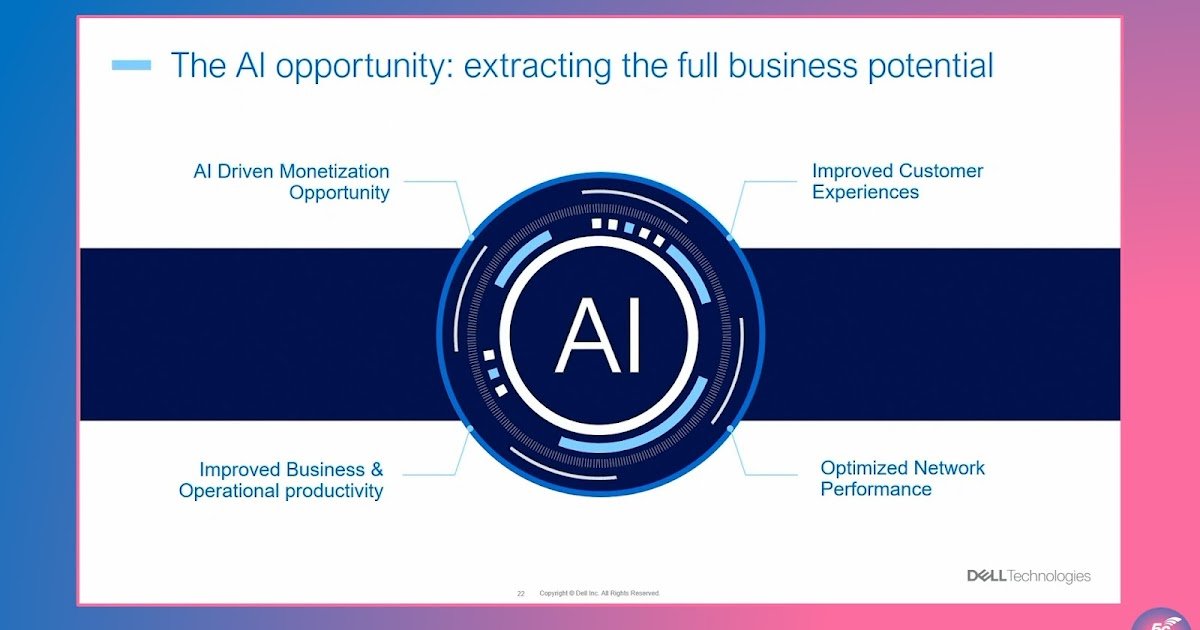

The telecom industry is at a crossroads. While demand for connectivity continues to surge, operators face stagnating revenues, rising costs, and increasing competition. In his keynote at the Brooklyn 6G Summit 2024, Manish Singh, CTO of Telecom Systems Business at Dell Technologies, outlined a compelling vision for how AI and cloud-native networks can reignite growth in the sector.
The Growth Challenge in Telecom
The traditional telecom business model is under pressure. Operators are struggling with:
- Revenue stagnation despite increasing data consumption.
- Rising operational costs driven by legacy infrastructure and inefficient processes.
- Intensifying competition from hyperscalers and alternative connectivity providers.
To overcome these challenges, Manish argues that telcos must embrace AI-native and cloud-native architectures as fundamental enablers of transformation.

AI: The Catalyst for Intelligent Networks
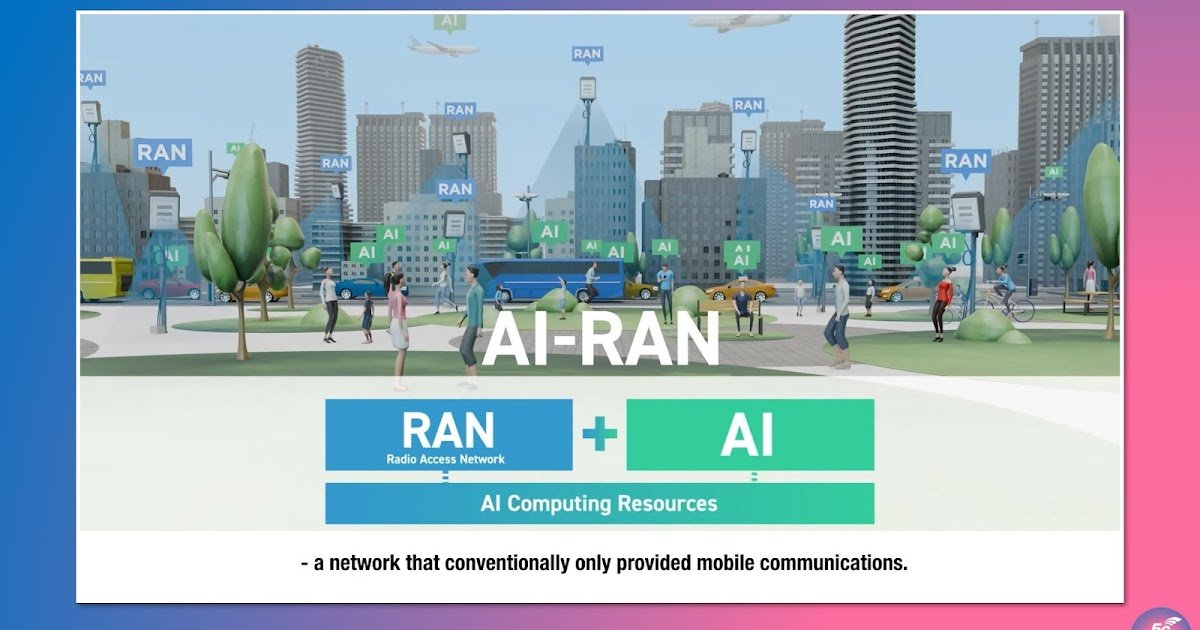
AI is not just an add-on; it must be at the core of future telecom networks. Manish highlighted several ways AI can drive growth:
- Automation of network operations: AI-driven predictive maintenance and self-optimising networks reduce downtime and operational expenses.
- Enhanced service delivery: AI enables hyper-personalised customer experiences and intelligent traffic management.
- Operational efficiency: AI optimises energy consumption, spectrum allocation, and overall network resource utilisation.
Manish emphasised that AI-native networks will be a defining feature of 6G, making networks more autonomous, efficient, and scalable.
Cloud-native Architectures: The Foundation for Scalability
Moving beyond traditional, hardware-centric networks is essential. Manish advocates for a cloud-first approach, where telecom networks are:
- Software-defined and virtualised, reducing dependence on costly proprietary hardware.
- Highly scalable, allowing operators to adjust capacity dynamically.
- Interoperable and open, fostering innovation through Open RAN and disaggregated networks.
By embracing cloud-native principles, telcos can accelerate service delivery, reduce costs, and stay competitive in an increasingly software-driven ecosystem.

AI Infrastructure: Scaling from Edge to Core
A key enabler of AI and cloud-native networks is the AI Factory approach, which provides scalable infrastructure from mega-scale data centres to the edge. Manish highlighted how AI workloads must be supported across different network layers—from on-premise enterprise deployments to far-edge, near-edge, and core data centres.
Dell Technologies’ AI Factory is designed to:
- Support diverse AI edge use cases in telecom.
- Handle power and cooling constraints, crucial for efficient AI model training and inference.
- Leverage cloud-native architectures to ensure seamless scalability and automation across the entire network.
This modular infrastructure ensures that telecom networks can efficiently process AI workloads at every layer, enabling real-time decision-making and optimised operations.
Overcoming Challenges in AI and Cloud Adoption
Despite the clear benefits, Manish acknowledged key barriers:
- Legacy infrastructure: Transitioning from traditional networks requires significant investment.
- Security and privacy concerns: AI-driven automation raises questions about data integrity and network security.
- Industry mindset shift: Operators must adopt a culture of innovation and rapid iteration.
Addressing these challenges requires industry-wide collaboration, strong partnerships with cloud providers, and a commitment to open innovation.
Conclusion: The Time to Act is Now
Manish’s message to the industry was clear—AI and cloud are not future aspirations; they are essential for telecom survival and growth. By leveraging AI-native automation and cloud-native architectures, operators can reignite growth, drive efficiency, and prepare for the 6G era.
Watch Manish Singh’s full keynote embedded below:
Related Posts
#Reigniting #Growth #Telecom #Industry #Cloud